
Emotional wellbeing is now a key topic in the UK, but securing timely help is still a significant problem https://book-of.eu/book-of-tut-megaways/. NHS therapy waiting lists can mean delaying for months, resulting in many people to look for temporary ways to manage stress and get a mental break. This leads us to a curious comparison: the part played by immersive, low-stakes entertainment, such as the Book of Tut Megaways slot game. We are not suggesting gambling as an answer. Instead, we want to look at why its mechanics hold a psychological appeal as a type of digital escape. We will examine features like free spins and its adventurous setting, which can provide a short mental ‘pause’. At the same time, we will highlight the absolute necessity of gaming responsibly and receiving professional help for real mental health issues.
Comprehending the UK’s Mental Health and Therapy Access Crisis
Mental health support in the UK is under severe pressure. Since the pandemic, requests for services has surged, creating a substantial backlog for NHS talking therapies. People often wait between 6 and 12 months, sometimes longer, just for an initial assessment. That waiting time can feel unending, making emotions of isolation, anxiety, and helplessness much worse. During this gap, individuals naturally look for ways to cope with daily stress. Some find positive outlets like exercise or meditation. Others might look for quicker, more engaging forms of digital engagement. This is the area where activities like online gaming, including slots such as Book of Tut Megaways, can appear as a possible—though dangerous—short-term diversion from psychological pain.
The crisis is more than statistics. It is the genuine experience of waiting. The uncertainty, the sense of not being heard, and the daily effort to keep going can diminish a person’s resilience. Without professional guidance, people must cope on their own, leading to a broad range of coping behaviours. We need to recognize this context without casting blame. The appeal of a vivid, mechanically interesting slot game often goes beyond the chance of winning money. It commonly lies in the game’s power to capture complete attention, creating a brief cognitive escape from repetitive, worrying thoughts. Let us be explicit: this is a coping method full of risks, not a replacement for therapy. Knowing the contrast is critical for anyone’s wellbeing.
What’s Book of Tut Megaways? An Immersive Theme
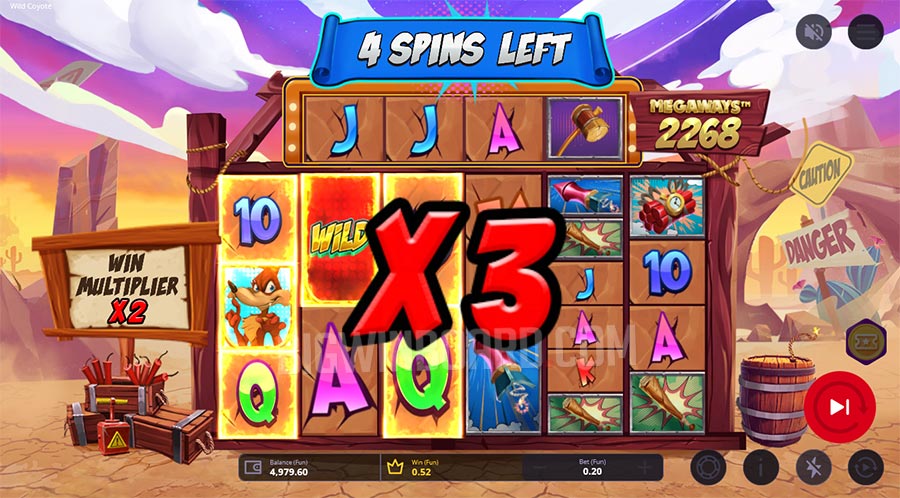
Book of Tut Megaways is a popular online slot from Blueprint Gaming. It utilizes the Megaways system, approved from Big Time Gaming, where each spin can produce up to 117,649 ways to win on dynamic, cascading reels. The theme throws players into Ancient Egypt, discovering the secrets of Pharaoh Tutankhamun’s tomb. It showcases intricate visuals of pyramids, scarabs, and hieroglyphics, all backed by a moody soundtrack designed for full immersion. The key symbol is the Book of Tut, which works as both a wild and a scatter. This book triggers the important free spins feature. The blend of high-volatility play and a strong adventure story is central to its popularity.
The power of this theme matters when we consider mental respite. Ancient Egypt settings are always popular because they conjure mystery, discovery, and travel to another place. For a player, spinning the reels becomes a small expedition, a break from their current reality. The game’s structure—with a base game that builds anticipation and a free spins round that can bring rewards—builds a story arc that captures the mind. This total absorption, where concerns about work, personal troubles, or therapy lists are shelved for a while, is the core of its escapist value. It supplies a structured, stable setting (the game’s rules) inside an exciting, unexpected story (what happens on each spin).
The Mental Mechanics of Megaways: Engagement and Focus
The Megaways system is a ingenious piece of psychological design. Instead of fixed paylines, the varying number of ways to win (from a minimum up to 117,649) makes every spin feel uniquely possible. The cascading reels feature, where winning symbols vanish and new ones drop down, stretches out the result of a single spin. This generates suspense and delivers several small moments of resolution. This mechanic can produce a state similar to ‘flow’, a psychological idea where someone is completely absorbed in a task, feeling attentive and engaged. During flow, internal concerns tend to vanish.
For a person under stress or feeling anxious, reaching this flow state, even briefly, can offer relief. The game asks for just enough mental effort to follow the cascades and symbol matches, but not so much that it becomes demanding. This balanced demand can work as a circuit breaker for the mind, interrupting cycles of negative or anxious thought. The risk comes when the game shifts from an occasional mental break to a main method for managing emotions. The very systems that create an engaging flow are also carefully engineered to promote longer play through near-misses and variable rewards. These elements can be especially influential for those feeling vulnerable.
The Dual Nature: Escapism vs. Denial
This brings us to the crucial difference between healthy escapism and harmful avoidance. Healthy escapism is a deliberate, short break that helps renew the mind—like diving into a story, catching a film, or trying a casual game. Harmful avoidance means utilizing an activity to constantly numb or escape from hard emotions and realities, which stops you from confronting the real cause of distress. Book of Tut Megaways, with its strong immersive qualities, sits right on this threshold. A 20-minute session to unwind after a tough day can be viewed as digital leisure. Playing the game for hours to ignore feelings of depression or anxiety while awaiting therapy is a signal of avoidance.
The slot’s high-volatility design renders this risk larger. Wins might be scarce but big, strengthening play through a pattern of intermittent reinforcement. This is one of the most powerful psychological patterns for perpetuating behaviour. The excitement of a big win or even nearly triggering free spins can cause surges in dopamine that boost mood temporarily. For someone feeling down, this can create a risky pattern of conditioning: “I feel bad, I play the game, I get a dopamine rush, I feel slightly better for a moment.” This cycle can accelerate problematic play, transforming a wanted mental pause into an further mental health issue, bringing financial stress and guilt to pre-existing problems.
Safe Gambling as a Non-Negotiable Mental Health Practice
If a person contemplates trying games like Book of Tut Megaways, especially when their mental health is strained, using firm responsible gaming measures is crucial for self-protection. We ought to regard these tools not as extras but as required mental health protections. First, always apply the deposit limits and loss limits that all UK-licensed casinos must make available. Decide on a firm, affordable budget for entertainment before you log in. View it like buying a ticket for the cinema—money spent for a time of fun, not an investment. Second, enable mandatory reality checks and session time limits. These pop-up alerts purposefully interrupt the flow state, making you to consciously think about how long you’ve played and how much you’ve spent.
Third, and most important, never wager to recover losses or to soothe emotional hurt. This is the core rule. The instant the activity shifts from “I’m playing for fun” to “I need to play to feel okay,” you must cease right away and find other support. UK operators offer direct links to tools like GAMSTOP for self-exclusion, Gamban for blocking software, and support groups like GamCare and BeGambleAware. Maintaining a personal diary to record your mood before and after playing can also demonstrate clear, often surprising facts about whether the activity is really a pause or part of a damaging pattern. Your mental wellbeing must come first, every time, ahead of the next free spins feature.
Different Coping Strategies Before Starting for Therapy
While you wait for professional therapy, several evidence-based strategies can help control symptoms and build resilience. These lack the risks that gambling does. We strongly suggest trying these first. Mindfulness and meditation apps such as Headspace or Calm offer structured help for dealing with anxiety and improving sleep. Physical activity, even a half-hour daily walk, boosts mood through the release of endorphins. Writing in a journal provides a way to process thoughts and feelings, generating clarity and reducing the mental ‘static’ that may push someone toward distraction.
Additionally, do not underestimate the value of community and peer support. Charities including Mind and Samaritans deliver crucial resources, online forums, and helplines with trained listeners. The NHS also offers a variety of self-help workbooks for issues like anxiety and depression, often grounded in Cognitive Behavioural Therapy (CBT) principles, which you can find online for free. Taking up creative hobbies—arts, crafts, music, or cooking—can generate that same useful ‘flow’ state in a positive, rewarding manner. The aim is to create a toolkit of healthy coping methods. These should not only help you through the waiting period but also support your long-term recovery.
Recognising When Gaming Becomes a Problem
Your finest protection is self-knowledge. You must regularly examine yourself if you are using any form of gambling. Important warning signs include constantly thinking about the game when you are not playing, needing to spend more money to get the same thrill, experiencing agitated or irritable when you try to cut back, and, most significantly, hiding how much you play from people close to you. Financial signs are just as vital: using savings not intended for gambling, missing bill payments, or borrowing money to play. If the idea of stopping makes you anxious, that is a clear signal the activity has shifted from entertainment into something else.
On an emotional level, using play to avoid problems, feelings of powerlessness, or guilt after a session are major red flags. While waiting for therapy, a person might wrongly explain these signs as part of their original mental health struggle. In reality, they could point to a separate, developing issue. The UK’s National Problem Gambling Clinic notes that gambling problems hardly ever exist alone. They often connect to anxiety, depression, and trauma. Spotting these overlapping signs early and getting help specifically for gambling harm from groups like GamCare can stop a crisis. It is a good step you can take for your mental health.
The function of licensed UK companies in protecting players
If you play any online slot in the UK, including Book of Tut Megaways, the operator you select is a key safety element. UK-licensed casinos must adhere to strict Gambling Commission rules designed to protect players. These rules cover mandatory identity and age checks to stop underage gambling, straightforward presentation of terms and conditions, and simple to locate links to support organisations. Importantly, they must provide the responsible gambling tools we discussed—deposit limits, time-outs, and self-exclusion options—and keep them user-friendly. Operators also employ algorithms to watch for play patterns that suggest harm. They are required to intervene with safer gambling messages or account reviews.
Players should treat these protections not as red tape but as essential components of a safer playing field. Always choose a site with a UKGC licence over an unlicensed one. This guarantees certain standards of fairness, data security, and access to dispute resolution through the Independent Betting Adjudication Service (IBAS). Before you deposit money, navigate to the site’s ‘Responsible Gambling’ section. Get to know the tools there. Establishing your limits immediately, before your first spin, is an act of self-care. Keep in mind, a reputable operator wants you to play for enjoyment. They do not want you to face a problem, and their tools exist to support that aim.
Seeking Professional Help: Pathways Beyond the Waiting List
While you manage the wait, actively consider all channels to support, not only the main NHS therapy route. Your GP can be a first move to discuss medication if suitable, and they could know about local organizations or programs with briefer waits. The NHS ‘Improving Access to Psychological Therapies’ (IAPT) program enables self-referral online or by phone in many areas, so you may not need a GP appointment first. Private therapy is an choice for those who can manage the cost. Groups like the British Association for Counselling and Psychotherapy (BACP) have registers to identify accredited therapists. Many have sliding scale fees according to your income.
You could also think about low-cost counselling from training centers, where supervised trainees provide therapy at reduced prices. Employee Assistance Programmes (EAPs) through your job often include a set number of free counselling appointments. The main point is to be persistent and attempt several methods at once. While you could use activities like gaming for short breaks, taking simultaneous, active steps toward professional help maintains a sense of control and expectation alive. Writing down your symptoms and how they affect you may also be valuable for when you finally get that first appointment. It assists you maximize the moment when it comes.
Establishing a Consistent Mental Wellness Routine
Long-term mental wellness depends on sustainable daily habits, not on sporadic breaks. We advise incorporating small, consistent practices into your life that foster stability. This means following a regular sleep pattern, paying attention to nutrition, and adding moments of mindfulness to your day. Structure can be very comforting when managing anxiety or low mood. It decreases the number of decisions you must make and builds predictable points in your day. Within this framework, you can consciously set aside time for ‘distraction’ or ‘play’—whether that’s for a slot game, a video game, or watching television. The key is that it is limited and intentional, not a reaction to a sudden impulse.
Your routine should also feature times for digital detox, especially from very activating activities like gambling or fast-paced social media. Connecting with nature, noting things you are grateful for, and caring for real-world friendships are basic pillars. No digital experience can copy their effect. The goal is to lessen the *need* for intense escapism by constructing a daily life that feels more manageable and interesting. Think of it as fortifying your psychological immune system. Then, when stressors appear, or when you face a long wait for services, you have a solid array of tools to use. These resources should not carry the high risks that come with uncontrolled gambling.
Managing mental health challenges in the UK, especially with long therapy waits, demands a careful, layered approach. Immersive games like Book of Tut Megaways can provide a temporary mental pause through their engaging Megaways mechanics and thematic escape. But we must stay very aware of the thin line between a short diversion and damaging avoidance. The foundation for using any such activity must be a firm commitment to responsible gaming tools and honest self-checking. Focusing on healthy coping methods, exploring every possible avenue for professional support, and creating a sustainable wellness routine are the most dependable routes to lasting wellbeing. They help ensure your mental health journey progresses with safety and strength.







