
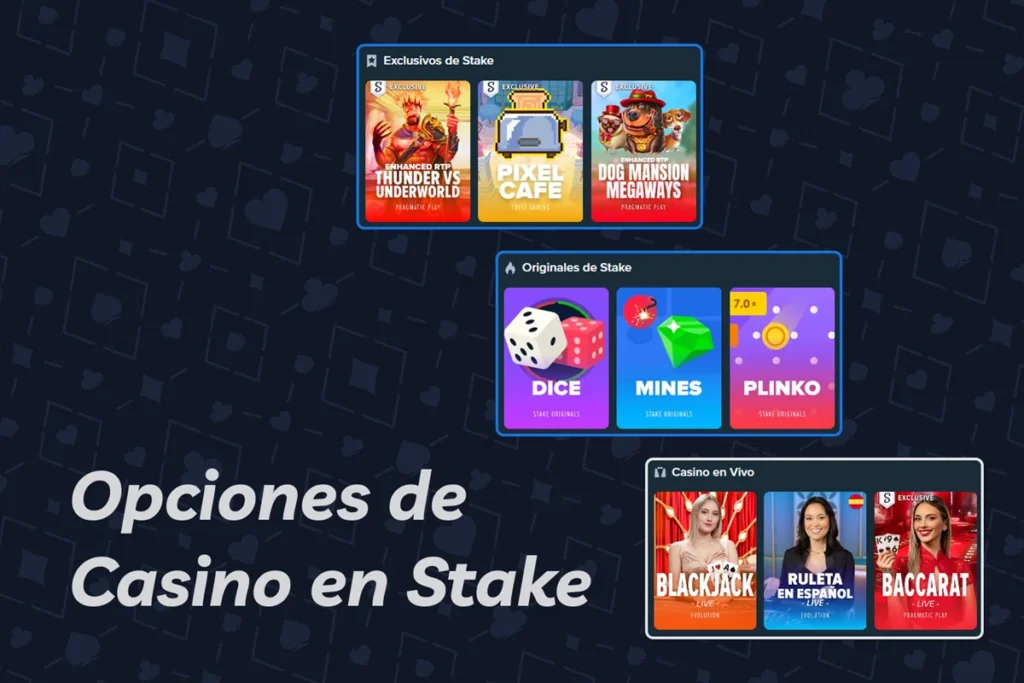
I review online casinos for a living, and I’ve seen many that view players as barely more than walking wallets. Stake Casino takes a unique path for its New Zealand customers. It puts real effort into instructing people how things work. This concentration on education alters the whole feel of the experience. It’s not just a place to play games; it’s a place where Kiwi players can learn how to play them more effectively. Stake provides detailed guides on game rules, clear information on betting, and—most importantly—a full suite of tools for gambling responsibly. The casino frames itself as a guide, not just a venue. For a New Zealand audience that prefers to know what they’re getting into, this emphasis on knowledge is a major point in Stake’s favor.
Banking Options Explained for New Zealand Users
Depositing and withdrawing money is a core part of using an online casino. New Zealand players must be aware of their options, how long things take, and what fees might apply. Stake Casino‘s guides cover this ground well. They detail how to use methods common among Kiwis, including credit and debit cards, bank transfers, and a variety of cryptocurrencies like Bitcoin and Ethereum. Their breakdowns for crypto transactions are especially good for beginners, clarifying wallet addresses, network confirmations, and the advantage of faster, usually cheaper transfers. Teaching players the ins and outs of deposits and withdrawals, including verification times, helps set realistic expectations. It minimizes the worry around money movement and lets people handle their funds with confidence.
Protection and Integrity: Informing on Reliability and Technology
Confidence is essential in online gambling. Stake’s informative work includes describing the technology that keeps things secure and honest. They present clear information on SSL encryption, which protects your personal and financial data—a basic requirement for any legitimate site. More significantly, they teach players about Provably Fair technology, a common feature for their in-house games. They outline, in simple language, how this system enables you to verify the fairness of any game round on your own, showing the result hasn’t been manipulated. For New Zealanders who are more and more aware about online security, this kind of openness makes a difference. It converts a ambiguous promise of “fair play” into something you can check. Players get the insight that the games are truly random and their information is safe.
Beyond the Welcome Bonus: An Information Base
The first thing I examine at any casino begins once the welcome bonus ends. With Stake Casino, the real introduction is a library of information. Prior to placing your first wager, you’re invited to explore a whole section of guides and explanations. This method is significant. It ensures a player registering from Dunedin or Hamilton won’t be confused when they first try poker or live blackjack. They can access clear explanations of the rules, the odds, and game mechanics. This foundational comprehension achieves something crucial: it fosters confidence. A player with confidence makes more informed choices, gets more enjoyment from the games, and can fully utilize the platform’s features—from the sportsbook to Stake’s exclusive games. It creates an atmosphere of respect from the outset.
The “How-To” Section: Exploring the Stake Platform
A feature-packed site is truly helpful if you know your way. Stake develops helpful “how-to” articles that work like a walkthrough of their website and app. These guides include all the essentials: registering and confirming your account (a critical step for New Zealand players to guarantee easy withdrawals), grasping the sportsbook layout, finding the live casino, and employing tools like your bet history. As a reviewer, I value this because it helps the site much easier to get started with. A player in Tauranga can learn how to filter slots by developer, discover the crash game *Plinko*, or make a multi-bet on a Super Rugby match in minutes. Knowing how the platform works means less time dealing with the interface and more time dedicated actually playing, which prompts people more likely to stay.
Community Knowledge and Learning from Common Know-How
Learning doesn’t only stem from official manuals. Stake has fostered a active community through its social features, and this serves as an informal school. While the platform offers the formal guides, the community—in live game chats or on forums—provides lessons from experience. New players can review strategy talks, discover new promotions, or gather tips from veterans. I view this as a annualreports.com crucial, living layer of education. It creates a sense of connection among players here in New Zealand. Stake’s official materials are smart to include a note of caution, informing users that community advice should be weighed with personal judgment and the facts from the main guides. Blending official information with community exchange creates a richer environment where players can cultivate their own informed style.
Explaining Game Rules and Strategies for Kiwis
Some casino games have confusing rules. Punto Banco is not obvious. Lightning Roulette has its own peculiarities. Stake’s guides tackle this straightforwardly with content designed to explain each game’s inner workings. I enjoy that they go beyond at the basics. They discuss concepts like Return to Player (RTP) percentages, the house edge, and volatility. For a player from New Zealand, knowing that a slot with a 96% RTP gives back $96 for every $100 wagered over the long run is helpful information. Stake also supplies strategy primers for games where skill has an impact, like blackjack strategy charts or notes on roulette betting systems. They always add the necessary warning: no system can defeat the house edge. Removing the mystery out of the games allows Kiwi players select options that align with their own familiarity with risk, which renders the whole thing more pleasurable.
Ethical Gaming: The Bedrock of User Awareness
This element is the most critical in each assessment I do. Stake Casino’s educational effort is most effective in its responsible gambling section, which is designed for a New Zealand audience. The platform offers you straightforward connections to community assistance services like Problem Gambling Foundation. That community-centered approach is a quality I seek, and Stake has it. The educational materials are not hidden in small text. They educate you on establishing deposit caps, utilizing session timers, and why you should check in with yourself regularly. They explain how to enable a break period or self-exclusion from the account. By making these tools understandable, Stake enables users to use them. It makes responsible gambling a core component of the platform, not a secondary feature. A platform that instructs about harm minimization is operating on a different level than operators that neglect it.
Grasping Bonuses and Staking Requirements
Casino bonuses often create confusion and frustration. Stake’s educational content explains exactly how an offer works. They clarify the jargon: “staking requirements” (how many times you must bet the bonus before cashing out), “permitted games” (which games count, and at what rate), and “highest bet limits” while using bonus funds. For someone playing from New Zealand, this transparency is a big help. You can actually work out what an offer is worth and what you need to do. Instead of seeing “100% match up to $1,000” and thinking it’s a gift, a player who reads the guide understands the conditions attached. They can choose if it’s right for them. This clarity eliminates nasty shocks later and fosters a sense of trust. It shows Stake wants players who know what they’re agreeing to.
Lifelong Learning: Remaining Informed in a Ever-Changing Environment
Digital gambling sites don’t stand still. New games debut, features change, and policies change. Customer knowledge has to stay current. Stake Casino handles this by maintaining its knowledge base. They publish walkthroughs for newly added games, revise rule clarifications when policies are updated, and publish announcements about improvements to the system. For a New Zealand player, this signifies the information isn’t frozen in time. It’s a up-to-date tool. My suggestion, even to experienced users, is to consult these materials occasionally. Learning how a new “Hold and Win” slot system works or about an updated responsible gambling resource keeps your awareness up to date. This dedication to continuous education demonstrates a basic concept: a player who is aware will have a better, more responsible session. That’s beneficial for the individual and for the company’s image.







