
Introduction
The allure of casinos has captivated millions around the globe, offering a blend of excitement, risk, and the potential for substantial financial gain. Among the myriad games and lucky-twice-online.com activities available, one concept that has gained attention is the phenomenon of “lucky twice.” This term refers to instances where players experience consecutive wins, leading to an intensified belief in their luck and often resulting in increased gambling behavior. This report aims to explore the concept of lucky twice in casinos, examining the psychological, statistical, and behavioral aspects that contribute to this phenomenon.
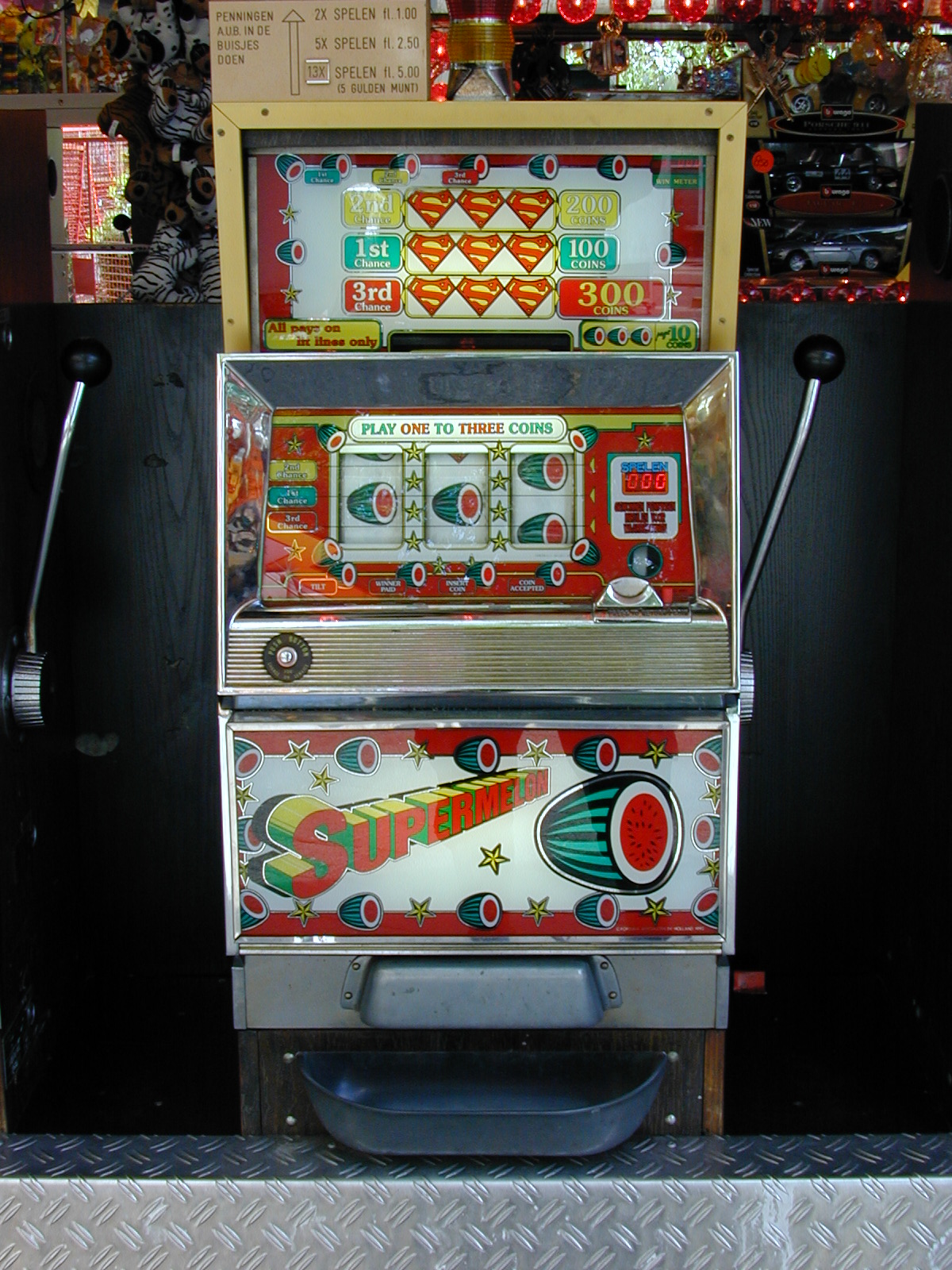
Understanding Casino Luck
Luck in gambling is often perceived as a mystical force that determines the outcome of games. In the context of casinos, luck can be defined as the probability of winning in games of chance, such as slots, roulette, and blackjack. Players often attribute their wins to luck, while losses are frequently blamed on bad luck. This dichotomy plays a significant role in how players engage with casino games.
The Psychology of Winning
Winning in a casino can trigger a range of psychological responses. The thrill of a win releases dopamine, a neurotransmitter associated with pleasure and reward. This biochemical reaction can reinforce gambling behavior, leading players to believe they are on a “winning streak” or experiencing lucky twice. The concept of confirmation bias comes into play, where players tend to remember their wins more vividly than their losses, further solidifying their belief in their luck.
Statistical Analysis of Winning Streaks
From a statistical standpoint, the occurrence of winning twice in a row is not as improbable as it may seem. In games with a significant element of chance, such as slot machines, the odds of winning can vary widely. For example, if a slot machine has a 10% chance of winning on any given spin, the probability of winning twice in a row is 1% (0.1 x 0.1). While this may appear low, the frequent exposure to such events in a casino environment can lead players to perceive them as more common than they are.
Behavioral Economics and Gambling
Behavioral economics provides a framework for understanding how players make decisions in casinos. Concepts such as loss aversion, where individuals prefer to avoid losses rather than acquiring equivalent gains, can explain why players continue to gamble after experiencing a lucky twice. The “sunk cost fallacy” also plays a role, where players feel compelled to continue betting because they have already invested money, hoping to recoup their losses through further play.
The Role of Casino Design
Casinos are meticulously designed to enhance the gambling experience and encourage prolonged play. The layout, lighting, and soundscapes are all crafted to create an immersive environment that heightens excitement and minimizes the awareness of time. The placement of winning machines and the use of near-miss outcomes can contribute to the perception of lucky twice. Players may feel that they are close to winning again, prompting them to continue playing in hopes of achieving another win.
Case Studies and Anecdotal Evidence
Numerous anecdotal accounts exist of players who have experienced lucky twice, often leading to significant financial gains or losses. These stories, whether shared in person or on social media platforms, contribute to the mythos surrounding luck in casinos. For example, a player may recount a night where they hit a jackpot on a slot machine, followed by another win shortly after. Such narratives reinforce the idea of lucky twice and can influence the behavior of other players who hear these stories.
The Impact of Technology on Gambling
The advent of online casinos and mobile gaming has transformed the gambling landscape, making it easier for players to access games anytime and anywhere. This accessibility can amplify the lucky twice phenomenon, as players may experience consecutive wins in a shorter time frame. Online platforms often employ algorithms to create engaging experiences, which can lead to a heightened sense of luck among players.
Responsible Gambling and the Lucky Twice Phenomenon
While the thrill of experiencing lucky twice can be enticing, it is crucial to approach gambling responsibly. The excitement of winning can lead to overconfidence, prompting players to wager more than they can afford to lose. Casinos often promote responsible gambling practices, encouraging players to set limits and be mindful of their behavior. Recognizing the psychological and statistical factors at play can help individuals maintain a healthier relationship with gambling.
Conclusion
The phenomenon of lucky twice in casinos is a multifaceted issue that intertwines psychology, statistics, and behavioral economics. Understanding the factors that contribute to this experience can help players navigate the gambling landscape more effectively. While the thrill of winning is an integral part of the casino experience, it is essential to approach gambling with caution and awareness. By recognizing the role of luck and the potential for cognitive biases, players can enjoy their time in casinos while minimizing the risks associated with excessive gambling.
Recommendations for Future Research
Further research is needed to explore the long-term effects of lucky twice on gambling behavior and the potential for addiction. Longitudinal studies could provide insights into how repeated experiences of winning influence players’ decisions and their overall gambling habits. Additionally, investigating the impact of technological advancements on the perception of luck in gambling can shed light on emerging trends in the industry. By understanding these dynamics, stakeholders can better promote responsible gambling practices and enhance player experiences in casinos.







